PMS & PMDD
Extreme mood swings, pain, or fatigue around your period? PMS and PMDD are more than ordinary menstrual symptoms. Our gynecologists help you with a personal treatment plan, from diagnosis to ongoing support.
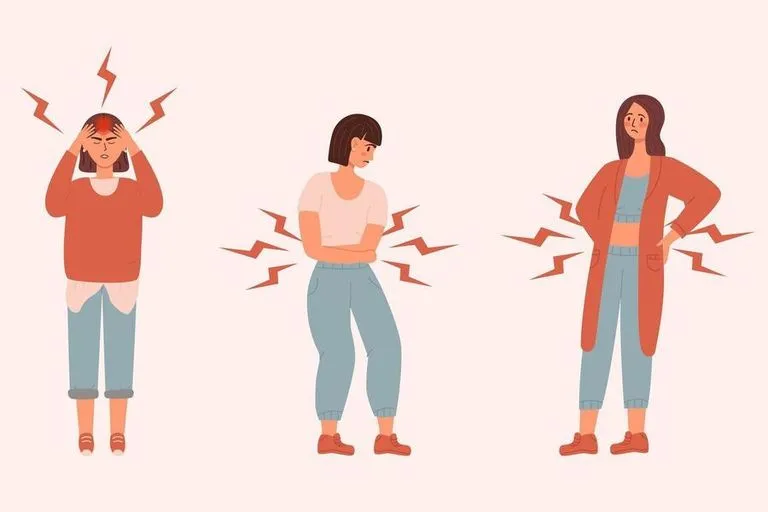
What is PMS & PMDD?
PMS (premenstrual syndrome) is a collection of physical and psychological symptoms that occur in the second half of the menstrual cycle, the so-called luteal phase. Symptoms usually disappear shortly after the onset of menstruation.
PMDD (premenstrual dysphoric disorder) is the severe form of PMS. Women with PMDD experience intense mood swings, depressive feelings, anxiety, and irritability that significantly affect their daily functioning. PMDD is a recognised psychiatric diagnosis in the DSM-5.
At FemmePrex we understand that these symptoms can significantly impact your quality of life. We offer targeted diagnostics and treatment.
PMS
Mild to moderate symptoms in the week before your period. These may include bloating, breast tenderness, fatigue, and mood changes. Occurs in approximately 75% of all women.
PMDD
Severe variant with intense psychological symptoms: depression, anxiety, anger outbursts, and feeling of losing control. Affects 3-8% of women and is a recognised DSM-5 diagnosis.
Common symptoms
PMS and PMDD can manifest in many ways. This are the most common symptoms.
Mood swings
Sudden shifts between sadness, irritability, and anxiety. In PMDD these can be so severe that they disrupt daily life.
Bloating
Fluid retention and bloating in the abdomen, often accompanied by weight gain of 1-2 kg in the luteal phase.
Sleep problems
Difficulty falling or staying asleep, vivid dreams, and restless nights in the week before menstruation.
Fatigue
Extreme fatigue and lack of energy, even after sufficient sleep. This can cause concentration problems and reduced productivity.
Breast tenderness
Painful, swollen breasts that are sensitive to touch. One of the most common physical symptoms of PMS.
Headaches & migraine
Menstruation-related headaches or migraines, often linked to the drop in oestrogen just before menstruation.
Our approach to PMS & PMDD
Our gynecologists work with you to find the right treatment for your PMS or PMDD symptoms. We focus on your needs and tailor the treatment accordingly.
Symptom diary & intake
You keep a symptom diary for at least two cycles. This is essential to distinguish PMS/PMDD from other conditions. After that, a comprehensive intake follows.
Diagnostic consultation
Our gynaecologist discusses your symptom diary, medical history, and any blood tests. Together we establish the diagnosis of PMS or PMDD.
Personal treatment plan
Based on your diagnosis and preferences we draw up a treatment plan. This may consist of hormone therapy, SSRI medication, lifestyle adjustments, or a combination.
Start treatment
Medication is sent to the pharmacy. We guide you through the start and carefully monitor any side effects.
Evaluation & adjustment
After 3 cycles we evaluate the effect of treatment. If necessary, we adjust the dosage or type of treatment.
Long-term guidance
PMS and PMDD are chronic. We remain available for check-ups, adjustments, and questions for as long as you need.
Treatment options
There are several proven treatments for PMS and PMDD. The right choice depends on your specific symptoms, severity, and personal preferences.
Hormone therapy
Continuous birth control pill or oestrogen patches can stabilise hormonal fluctuations and reduce PMS/PMDD symptoms.
SSRI / SNRI
Selective serotonin reuptake inhibitors are highly effective for PMDD. They can be used continuously or only in the luteal phase.
Lifestyle guidance
Regular exercise, stress management, sufficient sleep, and dietary adjustments (less salt, caffeine, and alcohol) can significantly improve symptoms.
Supplements
Calcium, magnesium, vitamin B6, and chasteberry (Vitex agnus-castus) have shown some effect in studies for mild to moderate PMS symptoms.
Of our patients recommend us
Until your first appointment
Full attention for you
Continuous guidance and monitoring
Take control of your cycle
Struggling with PMS or PMDD? Our gynecologists help you find a personal treatment that works.